


Furniture Care and Maintenance in Marin County, CA
Every piece that leaves the Spencer Mason Designs workshop in San Rafael is built to last. Knowing how to care for your handcrafted wood and epoxy furniture keeps it looking exactly as it did the day it arrived. This guide covers the essentials of wood furniture care, epoxy resin maintenance, and everyday cleaning so your piece remains a centerpiece of your home for years to come.
New Customer Offer
10% Off Discount
Lorem ipsum dolor sit amet, consectetur adipiscing elit
(000) 000-0000
Wood Furniture Care in Marin County
Caring for Highly Figured Walnut
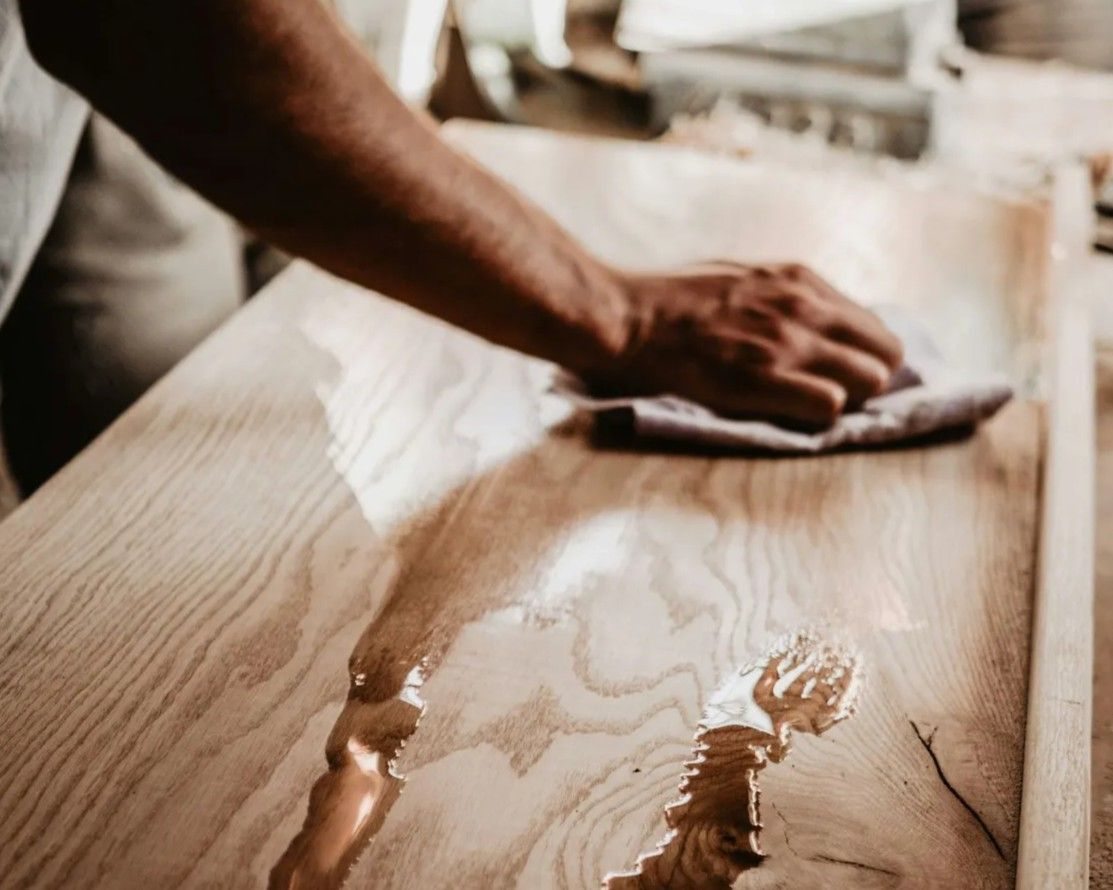
Highly figured walnut is selected for its dramatic grain and organic character, and that natural beauty is best preserved with consistent, gentle attention. Avoid placing your piece in direct sunlight for extended periods, as prolonged UV exposure can shift the tone of the wood over time. Keep the surface away from heat sources such as radiators and heating vents, which can cause the wood to dry out and develop fine surface checks. For routine wood furniture care, wipe down the surface with a soft, slightly damp cloth and dry it immediately. Never use abrasive scrubbers or harsh chemical sprays, as these strip the finish and dull the natural luster of the slab. Curtis provides care guidance and preferred cleaner supplies so you always have the right products on hand for your specific piece.
Epoxy Resin Maintenance
Keeping Your Epoxy Surface at Its Best
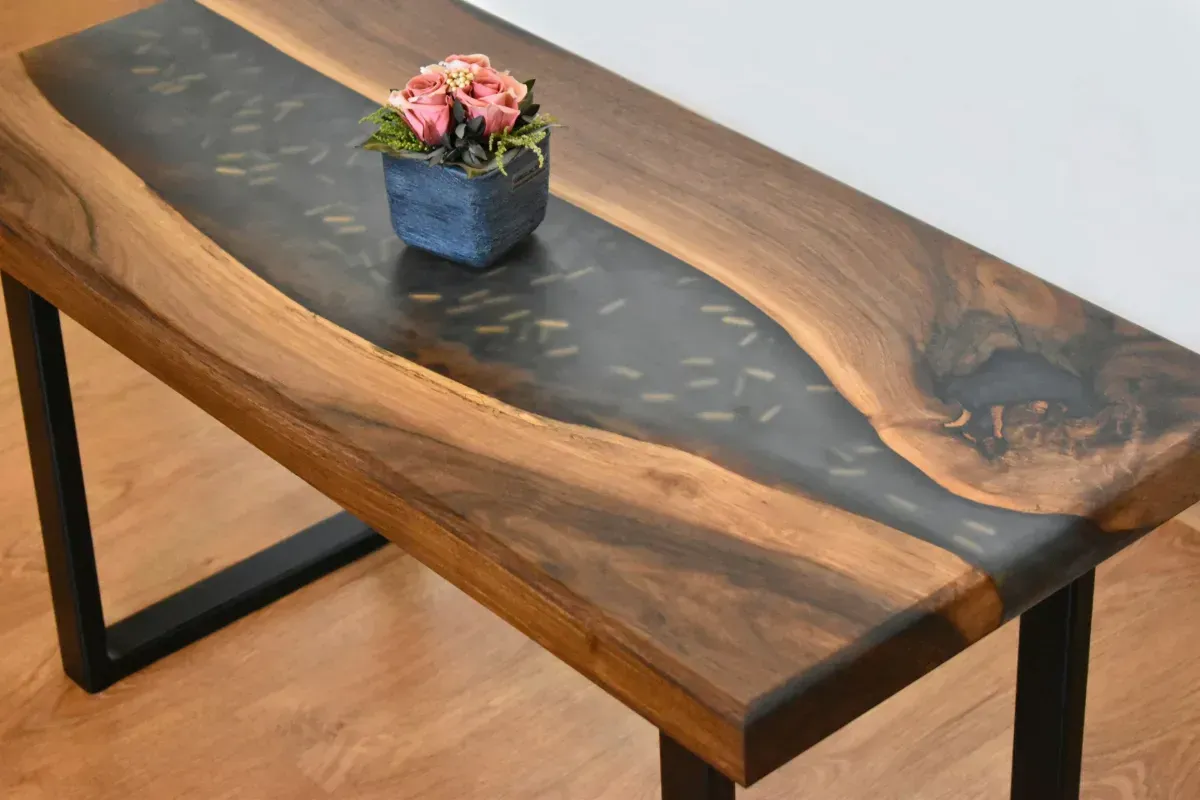
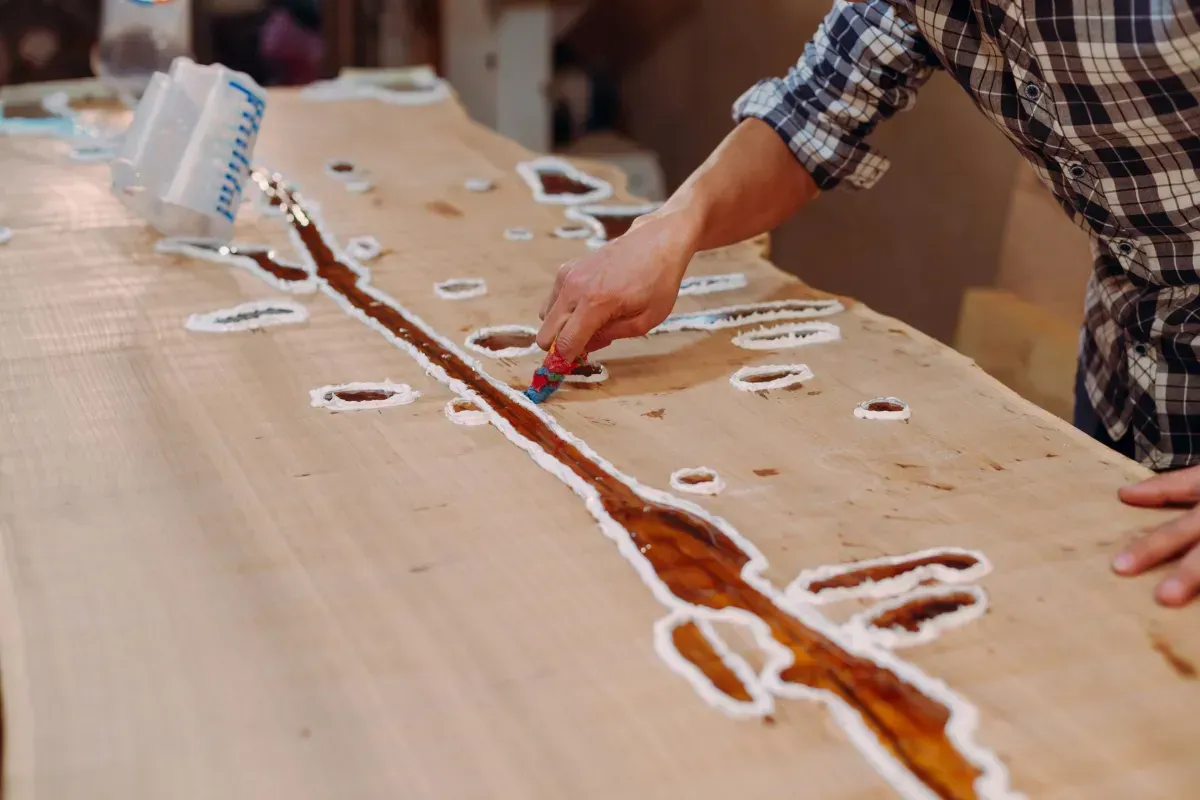
The epoxy resin used in Spencer Mason Designs pieces introduces color, movement, and contrast that gives each table its one-of-a-kind character. Maintaining that surface requires a slightly different approach than caring for bare wood. For routine epoxy resin maintenance, use a soft microfiber cloth and a mild, non-abrasive cleaner. Avoid placing hot items directly on the epoxy surface, as sustained heat can cause cloudiness or surface distortion over time. Sharp objects dragged across the resin can leave fine scratches, so use protective pads or trivets where needed. Cleaning kits suited to epoxy finishes are available through the workshop, giving you a reliable, vetted option rather than guessing at store-bought alternatives. With the right routine, the depth and clarity of the resin will remain vivid for the life of the piece.
Handcrafted Furniture Cleaning
Day-to-Day Cleaning Without Causing Damage
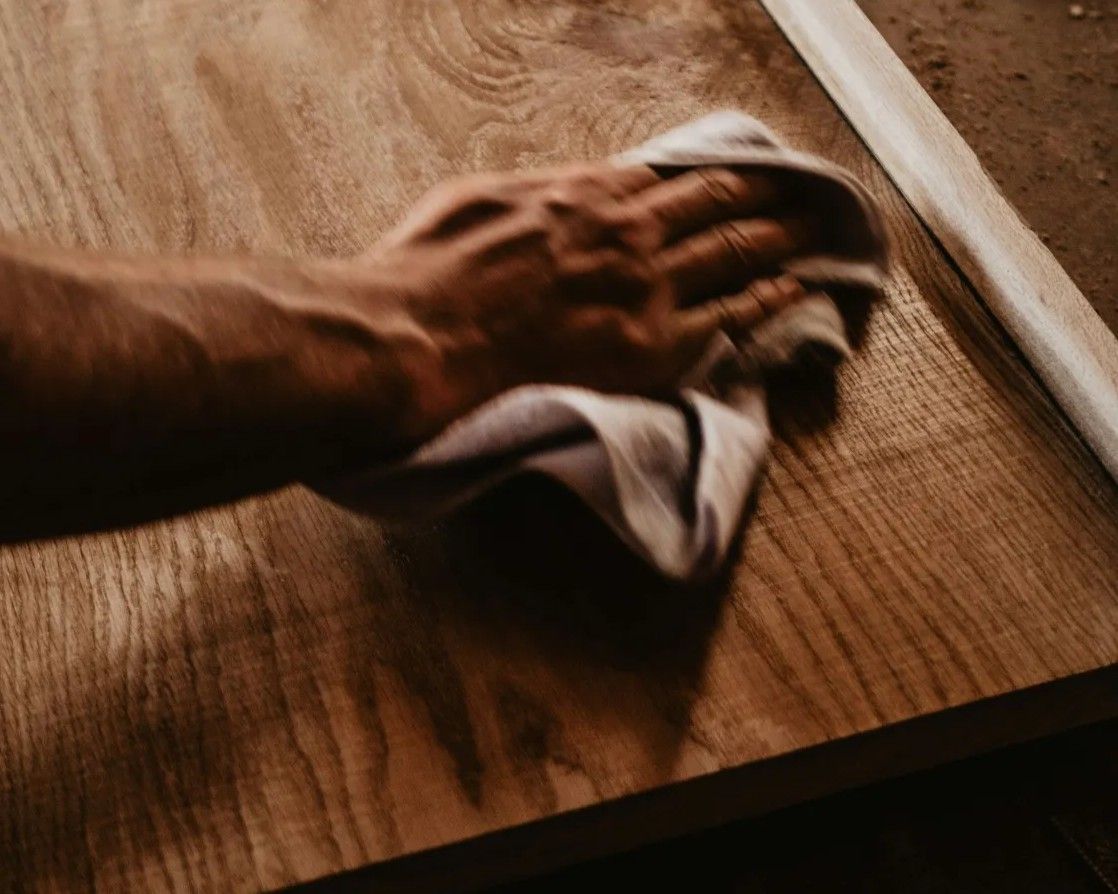
Handcrafted furniture cleaning does not need to be complicated. The goal is removing dust, spills, and everyday residue without introducing moisture or chemicals that work against the finish. For spills, blot immediately with a clean cloth rather than wiping, which spreads the liquid further across the surface. A lightly dampened cloth is sufficient for most everyday cleaning tasks on both the wood and epoxy areas of your piece. Avoid silicone-based polishes, as they can build up over time and create a hazy film that is difficult to remove. The metal bases fabricated by local collaborators require only occasional wiping with a dry or slightly damp cloth to stay clean. Consistency matters more than intensity: a quick wipe-down after use is far more effective than infrequent deep cleaning sessions.
Furniture Preservation Guide
Long-Term Preservation for a Lasting Investment
A well-maintained piece from Spencer Mason Designs is built to serve as a multi-generational centerpiece. This furniture preservation guide comes down to a few consistent habits. Control the environment around your piece: stable indoor humidity levels prevent the natural wood from expanding and contracting excessively. Use felt pads or coasters under objects that sit on the surface regularly. Rotate decorative items periodically so that any minor UV exposure is distributed evenly across the top rather than concentrated in one area. If the finish ever develops minor surface wear after years of use, Curtis can advise on the appropriate steps for refreshing it. Caring for your piece is an extension of the collaborative process that began in the workshop, and the guidance provided at delivery is always available to you as your needs evolve.
Marin County Furniture Care Questions
Common Questions About Caring for Your Piece
What cleaning products are safe to use on a wood and epoxy table?
Mild, non-abrasive cleaners paired with a soft microfiber cloth are the right choice for both the wood and epoxy surfaces of your piece. Avoid silicone-based polishes, which build up over time and create a hazy film. Harsh chemical sprays and abrasive scrubbers should also be kept away from the finish, as they strip the surface and dull the natural character of the walnut. Curtis provides preferred cleaner supplies and cleaning kits at delivery so you have a vetted option from the start rather than sorting through store-bought alternatives.Can I place hot dishes or cookware directly on my epoxy resin table?
Placing hot items directly on the epoxy surface is not recommended. Sustained heat can cause cloudiness or surface distortion in the resin over time. Using trivets or heat-resistant pads between hot cookware and the table surface is the simplest way to prevent this. The same applies to candles with direct flame contact. For the wood portions of the table, nearby heat sources such as radiators or heating vents should also be avoided, as they dry out the natural slab and can lead to fine surface checks developing over time.How should I handle a spill on my handcrafted furniture right away?
Blotting a spill immediately with a clean, dry cloth is the most effective first response. Wiping spreads the liquid further across the surface and pushes it toward the wood grain or into any fine surface texture, so a firm blot is always preferable. Once the bulk of the liquid is absorbed, follow with a lightly dampened cloth to clean the area, then dry the surface completely. Prompt attention to spills is one of the simplest and most impactful habits for preserving the finish of your piece over the long term.Does humidity in my home affect the walnut slab over time?
Yes, natural wood responds to changes in indoor humidity. When the air is very dry, the wood can contract slightly, and in high humidity it may expand. Maintaining stable indoor humidity levels helps prevent excessive movement in the slab that can stress the finish or the joint between the wood and epoxy over time. Consistent climate control is one of the most effective long-term preservation habits for any solid wood piece, and it is especially relevant for highly figured walnut, which has a pronounced natural grain structure.How do I care for the metal base on my custom table?
The custom metal bases used in Spencer Mason Designs pieces, fabricated by local collaborators, require minimal maintenance compared to the wood and epoxy surfaces. Occasional wiping with a dry or lightly damp cloth is sufficient to keep the base clean and free of dust or fingerprints. Avoid abrasive pads or harsh chemical cleaners on the metal, as these can affect the finish. If you notice any specific surface changes on the base over time, the workshop can advise on the appropriate care approach for the particular metal finish on your piece.Will the epoxy resin in my table scratch, and how can I prevent it?
Epoxy resin surfaces can develop fine scratches if sharp or abrasive objects are dragged across them. The best prevention is straightforward: avoid dragging items across the surface, use felt pads under objects that sit on the table regularly, and handle decorative items with care when moving them. For a dining table, placemats and table runners provide an additional layer of protection during meals. Minor surface scratches from everyday use are generally superficial, and Curtis can advise on appropriate steps for addressing surface wear if it develops after extended use.Does Spencer Mason Designs provide care instructions when a piece is delivered?
Yes, care guidance is provided with every piece. Curtis includes guidance on how to maintain your specific table or furniture item, along with preferred cleaner supplies and cleaning kits suited to the materials used in your piece. Because each commission involves a specific combination of walnut slab, epoxy treatment, and base, the care recommendations are grounded in the actual materials and finishes on your individual piece rather than being generic instructions. White-glove delivery and assembly is the standard final step, and the care conversation is a natural part of that handoff process.

What Clients Are Saying